Where to Stay in Shinjuku: Hotels by Station Area, Shopping and Nightlife
Choose a station side, compare hotel features, and plan the walks between meals, shops and trains.

Overview
Shinjuku suits a trip built around shopping, evening dining and journeys on its JR, Metro and private railway lines. Large full-service hotels cluster in Nishi-Shinjuku, while the eastern side puts Kabukicho and Shinjuku-sanchome closer to your evening plans.
Start with the hotel entrance and the lines you expect to use. A Shinjuku address can mean a short walk from one station and a longer route from another. Compare the room layout, total price and arrival route before choosing a side. If another base fits more of your days, compare Shibuya, Ginza or Ueno.
Area guide
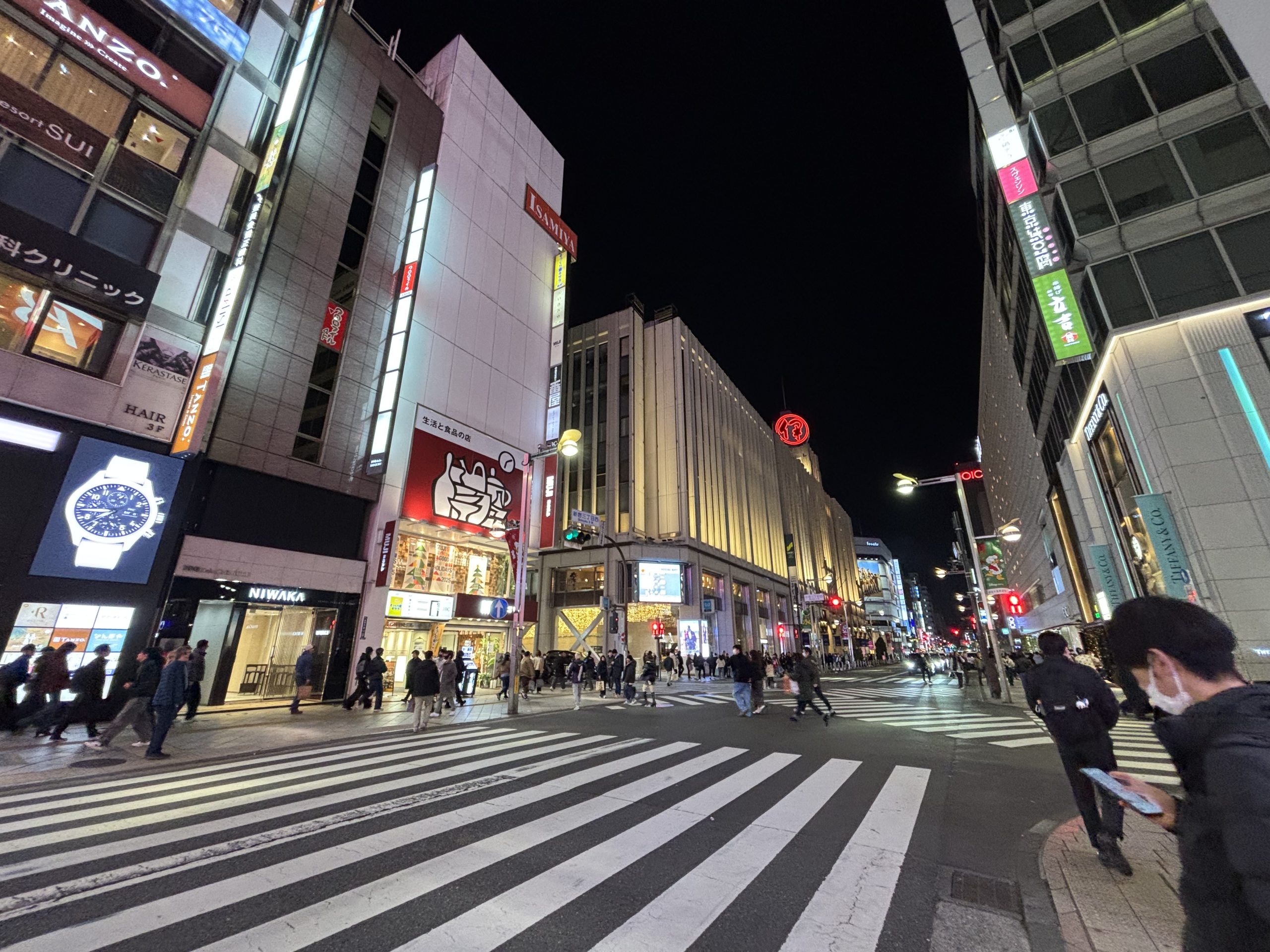
Must-see Shinjuku landmarks and attractions
These landmarks sit on different sides of the station area. Use the shortlist to choose a destination, then compare the walk from your hotel.
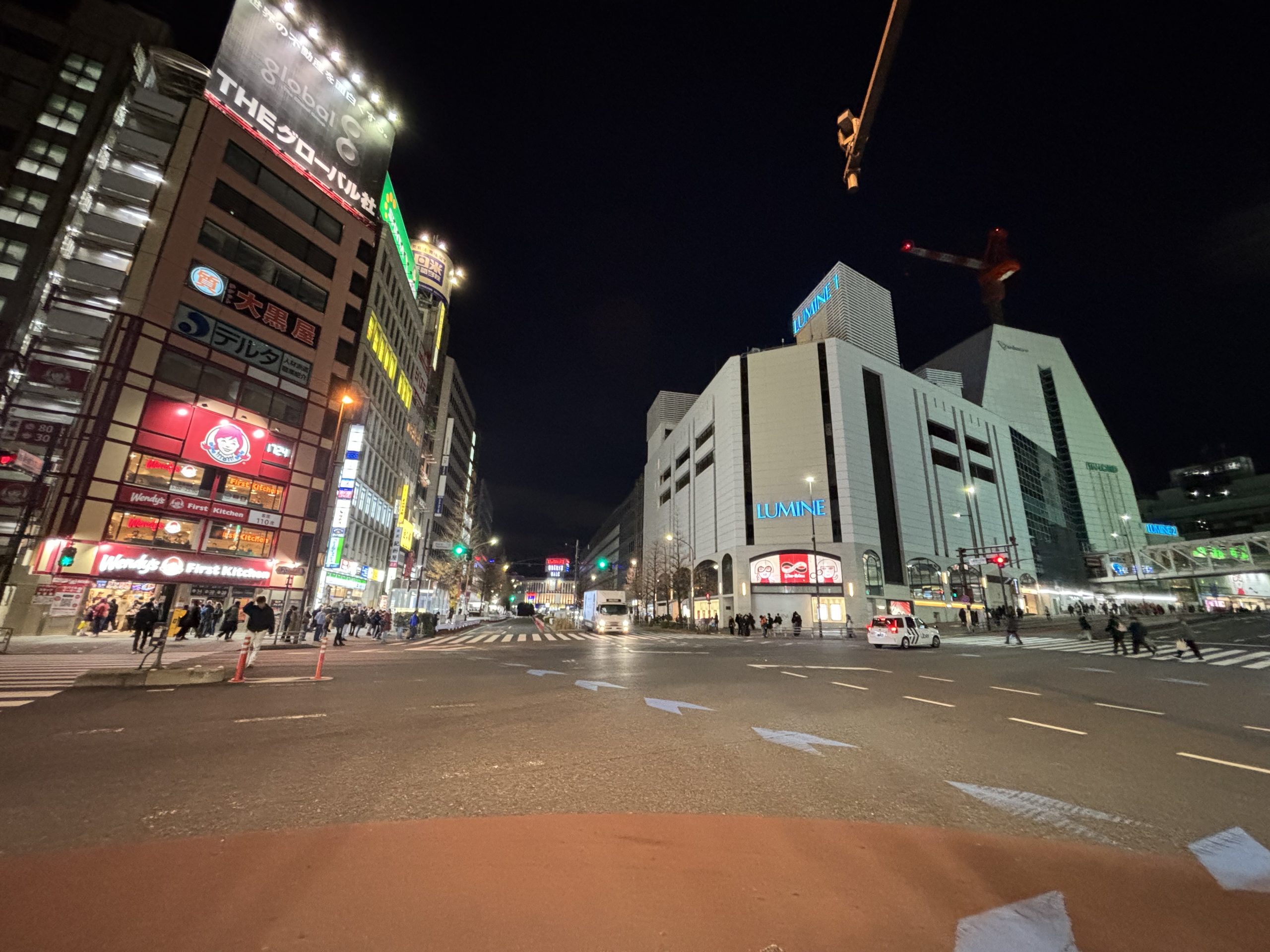 01
Tokyo Metropolitan Government Building
City viewpoint
Free observation decks offer panoramic Tokyo views from a major Shinjuku landmark.

Shinjuku Gyoen National Garden
Urban garden
A large park in central Tokyo with peaceful grounds and seasonal cherry blossoms.

Shinjuku Station
Rail hub
JR, Metro and private railway lines serve the station area, with separate platforms and entrances to navigate.
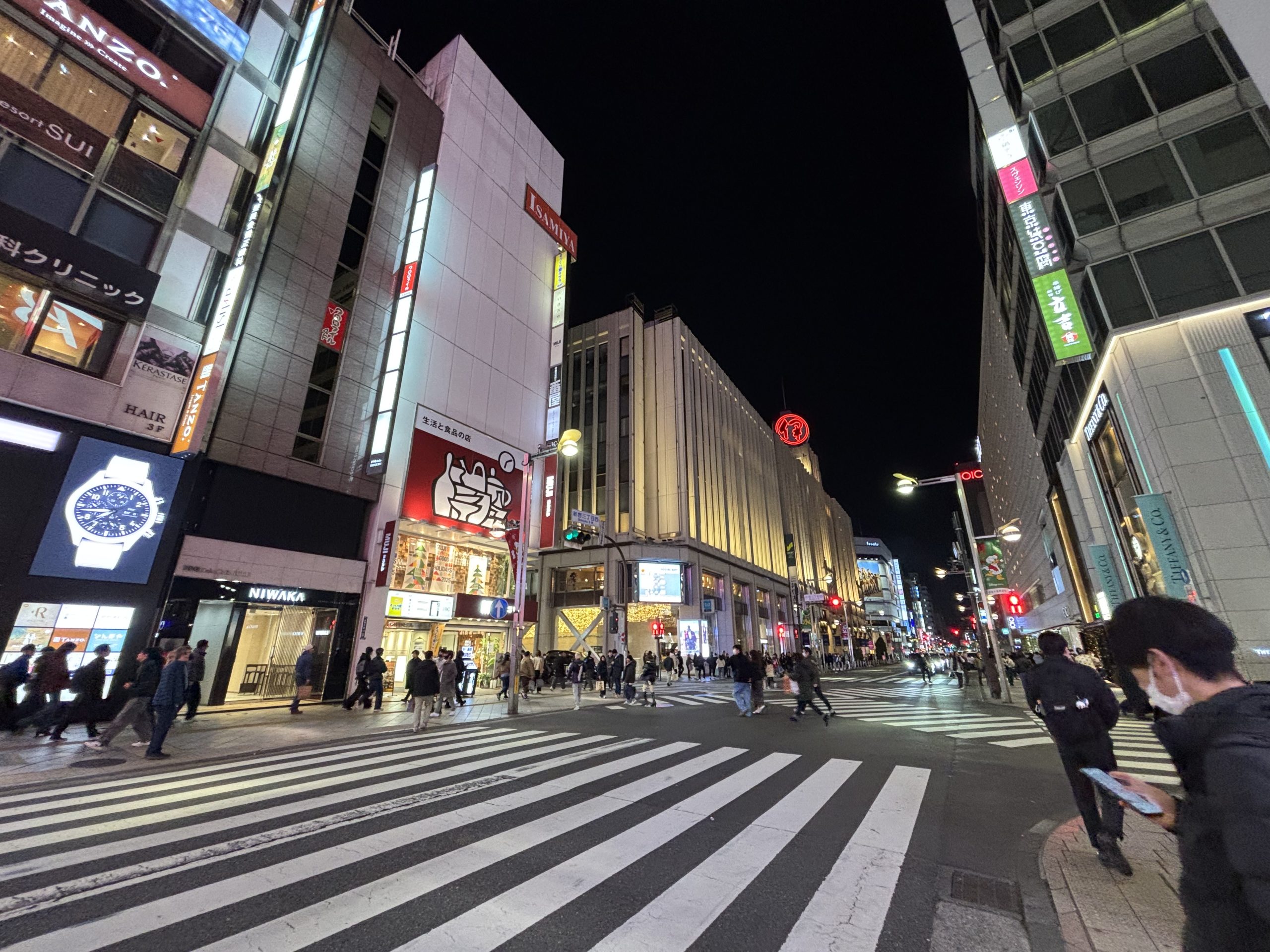 04
Isetan Shinjuku
Department store
An east-side department store with a food hall for bento, sweets and other food purchases.
Why stay
Why this base
Shinjuku is useful when several journeys start on its railway lines or you want shopping and dinner near the hotel. Choose a particular side rather than treating the whole district as one station-front block.
- Nishi-Shinjuku and the west side: Compare full-service hotels and the routes to Nishi-Shinjuku, Tochomae and JR Shinjuku. Some hotels provide a station shuttle; check the stop and timetable.
- South side: Consider this side for Takashimaya Times Square, Busta Shinjuku and south-side JR entrances. Check how the hotel walk crosses the main roads.
- East side and Kabukicho: Consider proximity to restaurants and nightlife, then examine the street-to-lobby route and room orientation for your arrival time.
- Shinjuku-sanchome: Useful to compare for Isetan and Metro journeys. It is a separate station from the JR platforms.
For a family stay, check the beds, room capacity, child policy and access with luggage. Quietness varies by street and room; the west or south label alone cannot guarantee it. Compare the same dates and booking terms if weighing Shinjuku against another district.
With a station side in mind, compare the five hotel profiles.
Hotels
The five profiles below cover four west-side full-service or design hotels and one Kabukicho option. Compare the same dates, guests, room capacity, breakfast and cancellation conditions, including all taxes and charges. Check the actual room floor area and view category, then the route from the station entrance you will use.
Park Hyatt Tokyo — hotel dining and upper-floor rooms in Nishi-Shinjuku
Park Hyatt occupies floors 39–52 of Shinjuku Park Tower beside Shinjuku Central Park. Hyatt's reopening announcement confirms that it reopened on 9 December 2025 following a 19-month renovation. Dining includes New York Grill and Bar and Girandole by Alain Ducasse.
The hotel FAQ lists guestrooms at approximately 45–65 m², with layouts and views varying by category. Consider the hotel when time in the room or its restaurants is part of your plan. Check restaurant and bar access separately: some venues have age restrictions, and a room booking does not include every dining experience.
The station approach is part of the decision. The hotel provides a complimentary Shinjuku Station shuttle; check the current pickup point and timetable. Compare that with the walk or a taxi for your luggage and mobility needs, and ask the hotel to confirm a suitable step-free route if required.
🗺️ MapHilton Tokyo — compare the nearby subway entrances
Hilton Tokyo is a full-service hotel in Nishi-Shinjuku, with restaurants and indoor leisure facilities. Its official access guide lists approximately two minutes from Nishi-Shinjuku Exit C8, three minutes from Tochomae Exit A7 and ten minutes from Shinjuku's West Exit. Follow the particular underground route to Hiltopia and the hotel lobby; a connection does not make all three station walks equivalent.
The hotel also lists a complimentary Shinjuku Station shuttle and paid airport limousine services. Check a usable departure and stop for the time you will travel.
Choose the room category by its beds, floor area and included benefits. Executive lounge access and breakfast depend on the booking. For a family stay, check the hotel's child pricing and extra-bed policy, and review current renovation or facility notices before reserving. Room photographs and specifications are more useful than assuming a brand guarantees the same condition throughout the building.
🗺️ MapKimpton Shinjuku Tokyo — design, dining and guest activities
Kimpton is a design-focused hotel on the Koshu-kaido side of Nishi-Shinjuku. Its dining venues include The Jones Café | Bar on the ground floor, District and rooftop bar 86. The official amenities guide describes a daily evening Social Hour with complimentary drinks for guests. Check its current time and arrangements during your stay.
Consider this hotel if the design, dining and social programme fit the time you expect to spend there. Choose the actual room's beds, floor area and bathroom from the published specifications. A design-led stay can still involve a walk to JR platforms or the eastern entertainment streets, so map those routes before booking.
For a pet stay, confirm the room eligibility, permitted animals and numbers, and the conditions for each restaurant or bar. Hotel acceptance of pets does not establish access to every dining area on identical terms.
🗺️ MapKeio Plaza Hotel Tokyo — compare the room plan and Disney shuttle
Keio Plaza is a large city hotel in Nishi-Shinjuku, with several dining venues, Sky Lounge Aurora on 45F and SKY PLAZA IBASHO on 47F. The hotel also lists the Sho-Fu-An tea ceremony room among its facilities; check the current experience schedule, reservations and charges. Its floor guide also lists a Seven-Eleven convenience store; check its current hours and location. These spaces have different access and charging arrangements. Check what is included in the specific room plan, particularly when comparing Premier Grand with other categories.
For a Tokyo Disney Resort visit, the hotel offers a complimentary Good Neighbor Shuttle for staying guests. Advance reservation is required, and bookings close when the bus is full. Check both the outward and return departures against your park plans; the hotel estimates about 60 minutes each way, with traffic affecting the journey.
Compare beds, capacity and any extra charges for children before choosing a family room. Save the hotel's station approach and an accessible route if needed. The combination of rooms, dining and the shuttle can be useful, but its value depends on which services you will use and the total price for your dates.
🗺️ MapHotel Gracery Shinjuku — Kabukicho and Godzilla room choices
Hotel Gracery is in Shinjuku Toho Building, with TOHO Cinemas in the same complex. The official access guide gives an approximately five-minute walk from JR Shinjuku's East Exit. Consider it when Kabukicho restaurants or a cinema visit are central to your evening.
The Godzilla accommodation guide distinguishes themed concept rooms, the Godzilla Floor and Godzilla View rooms. These are specific bookings with different room types and cancellation terms. A standard room does not include every themed feature. Check the named package and any goods included before reserving.
Ask the hotel about current terrace access if seeing the Godzilla head up close is essential: an official notice states that the terrace is unavailable until further notice. Plan around the confirmed room and indoor facilities.
Kabukicho has late-evening activity. Check the entrance route, room orientation and noise concerns for your group. Choose restaurants independently and plan the return to the hotel, whether travelling alone, as a couple or with children.
Before booking a screening, review our cinema audio, subtitles and entry checks.
🗺️ Map
Getting around
West Exit skyline and department store zone
Use the station and operator needed for your destination. JR, Odakyu, Keio, Metro and Toei entrances are spread across the area, and some transfers involve a substantial walk.
- Shinjuku: JR Yamanote, Chuo, Saikyo and other services, plus separate Odakyu, Keio, Metro and Toei routes.
- Shinjuku-sanchome: Tokyo Metro Marunouchi and Fukutoshin lines, and the Toei Shinjuku Line.
- Nishi-Shinjuku: Marunouchi Line; useful for some west-side hotels.
- Tochomae: Oedo Line; compare the hotel approach with the JR route.
Arriving with a suitcase: Shinjuku Station is large enough that the nearest-looking exit is not always the easiest route. Tokyo Metro’s official accessibility guide identifies elevator routes around West Gate Exit A15, East Gate Exit A6, and East Gate Exit B11. Use the official accessibility guide and English station map for the line and hotel side you actually need.
Use the routes below for city journeys, then check the departure time and destination entrance.
City routes to compare
Check the selected departure and fare after choosing a route. The table identifies the line and transfer condition; the full journey also includes station and hotel walks.
| Destination | Route | Transfer condition |
|---|---|---|
| Shibuya | JR Yamanote | Three stops via Yoyogi and Harajuku; some other JR services have a different stopping pattern |
| Tokyo Station | JR Chuo Rapid | Direct; allow time to find the onward platform at Tokyo |
| Ginza | Marunouchi Line | Direct from Shinjuku or Shinjuku-sanchome |
| Ueno | JR Yamanote toward Ikebukuro | Direct; choose the direction shown for your departure |
| Ikebukuro | JR Yamanote | Four stops via Shin-Okubo, Takadanobaba and Mejiro |
| Roppongi | Oedo Line | Check the Shinjuku or Tochomae entrance and train direction |
| Asakusa | Marunouchi Line, then Ginza Line at Akasaka-mitsuke | One change |
| Odaiba | Saikyo/Rinkai service | Stay aboard only on a suitable Shin-kiba-bound through train; an Osaki-terminating service requires a change |
Shinjuku West Exit area
Airport access
Narita → Shinjuku
N’EX (Narita Express): Check the selected departure, terminal, Shinjuku stop, journey time and total fare on the official timetable; some 6–8 November 2026 services are affected by engineering work.
Limousine Bus: Check the current terminal, arrival stop, schedule and fare for your chosen service.
Haneda → Shinjuku
Limousine Bus: Check the current terminal, Shinjuku stop, schedule and fare; travel time varies with traffic.
Keikyu + JR: Transfer via Shinagawa; check the current route, journey time and total fare.
Taxi: Request a route-specific quote, including tolls and any applicable surcharge.
Shinkansen access
Shinjuku has no shinkansen platforms. Add time for the JR journey, the walk to the shinkansen gates and the booked departure:
Tokyo Station: JR Chuo Rapid for Tokaido and Tohoku Shinkansen connections; check the selected journey and total fare.
Shinagawa: Check the selected JR connection to the Tokaido Shinkansen and its total fare.
If your trip uses the Keio network, see our Keio or Keio New Line boarding guide before choosing the Shinjuku platform.
For central or west Tokyo, compare Chuo Rapid trains with the Yamanote Line by destination and platform. For Odaiba, our Saikyo–Rinkai guide explains when a suitable through train avoids changing at Osaki.
Daily convenience
Shopping
Plan shopping around a specific store entrance and the side of the station.
Department stores and electronics around West Exit
Choose the shopping side before choosing a Shinjuku hotel. Isetan Shinjuku is by Shinjuku-sanchome on the eastern side, while Takashimaya Times Square is on the station’s south side. Compare the entrance you will use with your hotel, then keep the shopping route on that side where practical.
Chain stores to locate before going
Use the exact branch as the destination. Choose a store for the item you need, then check the route from your hotel or arriving station exit.
| Store | Use | Location or official information |
|---|---|---|
| UNIQLO | Clothing | Find the current Shinjuku branch in the store locator |
| Don Quijote Kabukicho | Snacks, souvenirs and travel supplies | Check branch and counter hours in the official store search |
| MUJI | Clothing, food and household items | Select the exact Shinjuku store through MUJI |
| DAISO Bic Camera Shinjuku East Exit | Small travel and household supplies | Official branch: Bic Camera Shinjuku East Exit, 8F, 3-29-1 Shinjuku |
| Shinjuku-sanchome Loft | Stationery and gifts | Official branch: Shinjuku Marui Main Building, 3F, 3-30-13 Shinjuku |
| Matsumoto Kiyoshi | Drugstore purchases | Choose the exact east-side branch and confirm its tax-free counter conditions |
| Yodobashi Camera, west-side stores | Electronics | Check the department and building needed in the official guide |
| Bic Camera Shinjuku East Exit | Electronics | Select the named branch and floor in the official guide |
For product and store comparisons, use the electronics guide, 100-yen shop guide and Loft/Hands guide. These explain what to buy; this article helps you plan the local route.
Eat and explore
Activities
Choose the attraction entrance and opening date before fixing the day's route. The two visits below have different admission arrangements.
Tokyo Metropolitan Government Building Observatory
The north and south observatories have free general admission. The Tokyo Metropolitan Government lists the South Observatory as open 09:30–22:00, with last entry at 21:30, and the North Observatory as open 09:30–17:30, with last entry at 17:00. On South Observatory closure days, the North Observatory is open until 22:00, with last entry at 21:30. The two observatories have different closure days and special closures, so check the calendar for your date. These details were checked on 27 October 2026. Use the observatory lift from Main Building No. 1, 1F. Weather or other circumstances can cause short-notice closure. Map the route to Main Building No. 1 from your hotel or Tochomae and allow time to reach the observatory lift.
Shinjuku Gyoen National Garden
Use the garden for a longer outdoor break and seasonal plants. The official admission guide lists adult admission at ¥500, seniors aged 65 or over and students aged 16 or over at ¥250, and children aged 15 or under free. Regular opening begins at 09:00, with closing and last entry changing by season. Check closure dates and any peak-season reservation requirements.
Choose a garden gate before planning the walk. Before bringing food or equipment, use the park picnic and equipment guide and the garden's current rules.
Day vs Night
Use opening hours to shape the day, while leaving room for queues and weather.
- Morning: Visit the garden on an opening day if that fits your plan. Crowds vary, especially in flower seasons; opening time does not guarantee empty grounds.
- Daytime: Group department-store and electronics shopping by the station side. Check the actual store's hours and restaurant service period.
- Evening: Choose an observatory visit that fits the open room's calendar, or dinner around Kabukicho or Shinjuku-sanchome. Ask about current cover and drink charges at a small bar.
- Late evening: Save the exact restaurant's last order and your route back. If using a karaoke room or manga cafe, check admission, identification, age and overnight-use conditions in advance. Use the first and last train for the actual line, rather than assuming all services restart at 05:00.
Where to eat
Choose the meal near the side of the station where you will finish the day. A noodle shop, a bar and a department-store food hall have different service hours and seating.
Ramen and noodles
Fuunji Shinjuku: The official branch guide locates the shop at 2-14-3 Yoyogi, Hokuto Daiichi Building 1F, approximately five minutes from JR Shinjuku's South Exit. Its chicken-and-fish broth is served with ramen or tsukemen. The shop lists 11:00–15:00 and 17:00–21:00, closing earlier if the soup sells out, and does not accept reservations.
Nagi in Golden Gai: A candidate for niboshi ramen. Select the exact branch and current menu, then check its hours before planning a late meal. For a broader chain comparison, use the ramen guide.
Casual meals and food halls
Compare menus at a specific Subnade restaurant or a beef bowl chain if price and a straightforward meal are your priorities. Omoide Yokocho has small dining venues, but table charges, drinks and minimum orders can affect the total.
For prepared food, compare Isetan on the Shinjuku-sanchome side, Takashimaya on the south side and the current Odakyu food floors. Check opening hours, the product's storage instructions and whether your hotel has suitable facilities for eating it.
Bars and late meals
Golden Gai has small bars with individual entry policies and charges; Shinjuku-sanchome offers other izakaya choices. Choose a place yourself and confirm the terms before sitting down.
For food after 22:00, check the named restaurant's last order. A discount store or convenience store can supply packaged food, but does not replace a confirmed late restaurant. Save a meal option near your hotel and the last usable train if going farther away.
If you have an allergy or dietary restriction, ask the restaurant about ingredients, broth and shared preparation equipment. An English menu or a dish's appearance does not establish suitability.
Trips beyond Shinjuku
- Meiji Jingu and Harajuku: Use JR Yamanote to Harajuku, then choose the entrance for the place you want.
- Shibuya: JR Yamanote makes three stops from Shinjuku. Other suitable JR services can have a different stopping pattern; check the train before boarding.
- Shimokitazawa: Compare an Odakyu departure that stops there.
- Mount Takao: Use the Keio route to Takaosanguchi and allow time beyond the station for the walk or mountain transport.
- Hakone: Compare an Odakyu Romancecar service to Hakone-Yumoto, its limited-express ticket requirements and the onward journey inside Hakone.
Map shortcuts
Landmarks and quick directions
Use the Google Maps links below to set each spot as your destination. “To” links set a destination; choose your actual starting point before travelling.
Summary
Choose Shinjuku when its railway lines and nearby shopping or dining fit several days of your trip. The hotel decision then depends on the station side, the room and the route you will actually use. A west-side full-service stay, a design hotel and a Kabukicho base offer different ways to spend your time; compare those features alongside the full booking cost.
FAQ
Quick answers for first-time visitors.
Is Kabukicho safe to walk at night?
Plan a route that suits your arrival time, ignore touts and ask the hotel about its entrance if arriving late. For room and family considerations, see the question below.
What’s the easiest way to get to Shinjuku from the airport?
For Narita, compare a Narita Express service that stops at Shinjuku with a bus to a stop near your hotel. For Haneda, compare rail via Shinagawa with a suitable airport bus. Choose by terminal, departure time and the final hotel walk; the airport section above explains the route conditions.
Which area is best for families?
Compare Nishi-Shinjuku and south-side hotels if their walks and facilities suit your plans. Confirm the room capacity, beds, child charges and step-free route. Check the selected street and room for noise, rather than relying on the area name alone.
Where can I enjoy nightlife?
Golden Gai, Omoide Yokocho (Memory Lane), and around Kabukicho Tower. Be mindful of last train times and ignore touts. Check each venue's age and entry rules before planning a visit.
Which hotels have the best views?
Compare the named view category and room orientation at the hotel you are considering; an upper floor alone does not establish a particular outlook. If you want a city-view outing without choosing a hotel for it, see the free Metropolitan Government Building observatory details in the activities section.
Travel tips
Save the exit for your arriving line and hotel, including a step-free route if needed. “South” or “East” alone may not identify the entrance you need.
Busta Shinjuku (4F, South Exit) — airport limousines, overnight buses, regional buses.
Suica/PASMO for tap-and-go. Check that your phone supports the Suica service you plan to use before relying on it for arrival-day travel.
Last trains vary by line and date; check the official timetable for your exact journey and make a late-night backup plan.
Shinjuku-sanchome is a separate station, served by the Marunouchi, Fukutoshin and Toei Shinjuku lines.
If you have time before departure, compare luggage storage after checkout, including the Shinjuku examples.
Explore more Tokyo areas
Compare these other Tokyo bases if their transport and activities fit your itinerary.
Some links in this guide are affiliate links. If you book through them we may earn a small commission at no extra cost to you.